
Protective Device Coordination Study
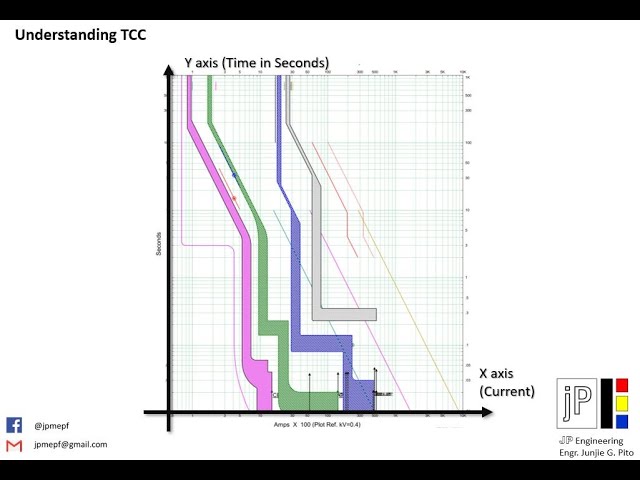
At Wyco Power, we perform coordination studies by preparing time current curves for each unique branch of a distribution system. By analyzing the tripping curves coordination for overcurrent protective devices, Wyco Power is able to recommend the best settings to:
Ensure outages are minimized during system disturbances such as faults and overloads within the distribution system
Ensure equipment is properly protected
Minimize arc-flash incident energy levels at key equipment locations
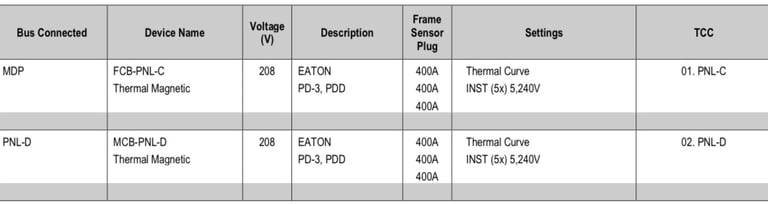
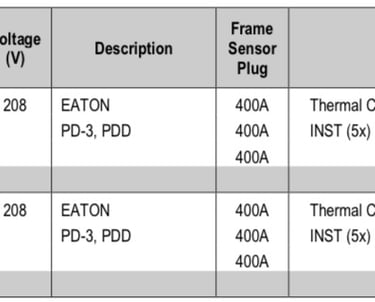
The recommended protective device settings are shown on each time current curve along with a single line diagram of the portion of the system applicable to the curve. All protective device settings are summarized in one, comprehensive settings table after the coordination section of each report. This table is organized in a way that allows readers to quickly and easily identify settings that are required during start-up and commissioning.
Why Is a Coordination Study Needed?
Electrical coordination studies are performed to ensure the safety of the system, personnel, and property. These studies evaluate the protective devices and are essential to increase system reliability and continuity of service. Coordination studies are also important in determining proper protective device settings to ensure the system is protected and reduce arc flash hazards.
At Wyco Power, we make coordination studies easy for our customers. Upon receiving a one-line diagram of the system, our engineers put together a comprehensive data request form outlining all the information needed to complete the study. This data is used to build an accurate model of the system in power analysis software such as SKM PowerTools, Easy Power or equivalent. We analyze the protective device trip curves and fault currents to evaluate system coordination and recommend optimal breaker settings. With the results, we put together a formal report detailing our methods, results, analysis, and recommendations.
Overcurrent Settings
Wyco Power performs protective device coordination studies to ensure electrical equipment protection and system reliability by optimizing protective device settings. Coordination is achieved by ensuring that protective devices trip in sequence as intended. This increases continuity of service and limits the occurrence of unnecessary nuisance trips within the distribution system. The increased reliability from our coordination studies will mitigate costly system breakdowns.
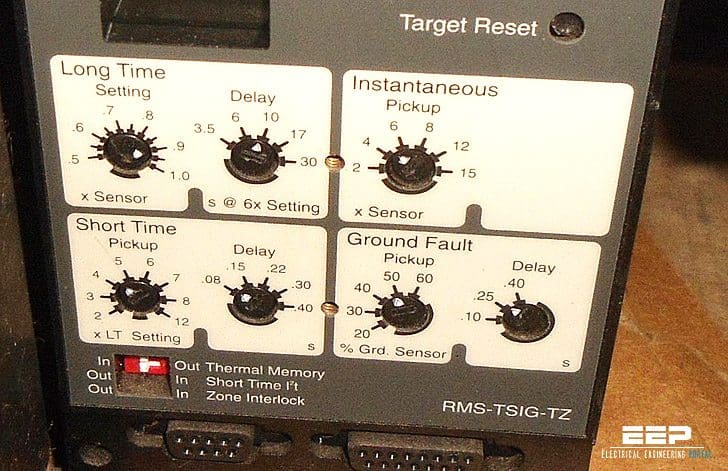
Our coordination studies are also instrumental in mitigating arc flash hazards. In our reports, we provide overcurrent settings and recommendations that will both ensure coordination and mitigate arc flash hazards where visible. In life-safety and critical systems, we can analyze selective coordination as required by the NEC. In systems that have multiple levels of breakers with ground fault settings, we analyze coordination and optimize these settings.
When to Call us for a Coordination Study
Coordination studies are highly recommended and, in many jurisdictions, legally mandatory for any business utilizing a power distribution system. The primary purpose of these studies is to optimize system protection, ensuring that any electrical fault is isolated to the specific area of origin without triggering a facility-wide blackout. This "selective coordination" is critical for maintaining operational continuity and safeguarding personnel from catastrophic events like arc flashes. Organizations typically require professional studies during new installations, following major repairs or surges, and as part of periodic inspections to verify continued safety and efficiency.
Given the technical complexity of power distribution, it is essential to partner with licensed engineers who possess a deep understanding of arc flash and coordination requirements. Even a minor miscalculation can lead to fatal injuries if workers are inadvertently exposed to hazardous energy paths. Pioneer Power Group provides comprehensive, nationwide expertise in these critical studies, ensuring your facility remains fully compliant with OSHA, NFPA 70E, IEEE, and NEC standards. By leveraging their specialized knowledge, commercial outlets can secure their infrastructure and proactively mitigate risks associated with electrical system failures.
Would you like to schedule a consultation to determine which specific compliance studies are currently required for your facility?
Contact Us


Reach out to discuss your electrical system needs or request a detailed short circuit study.