Our Services
We offer the following comprehensive electrical power system studies tailored to meet your needs.
Short Circuit Study
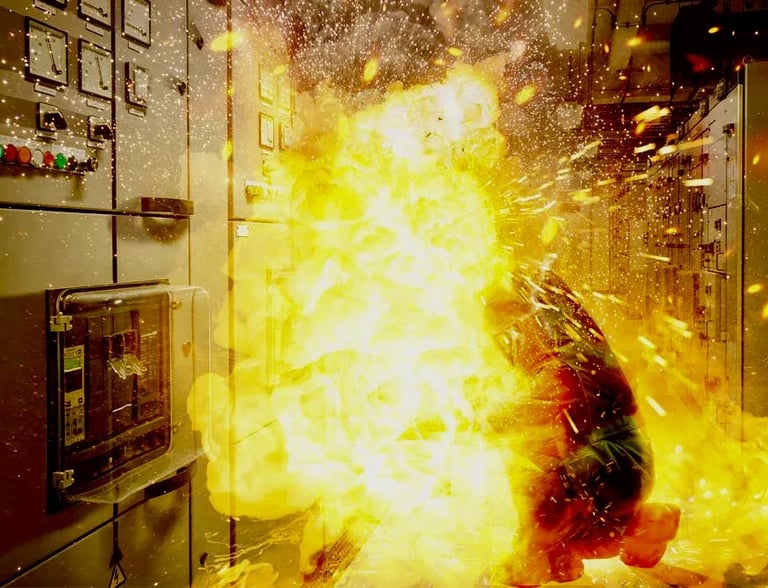
This study determines the maximum amount of current that could flow through the system during a fault (a "short circuit").
Equipment Rating: Our engineers compare the calculated fault current against the "interrupting rating" of your equipment.
Preventing Catastrophe: If a breaker is rated for 10,000 amps but the system can deliver 20,000 amps, the breaker could explode rather than trip safely. This analysis identifies such "underrated" equipment for replacement.
Protective Device Coordination Study
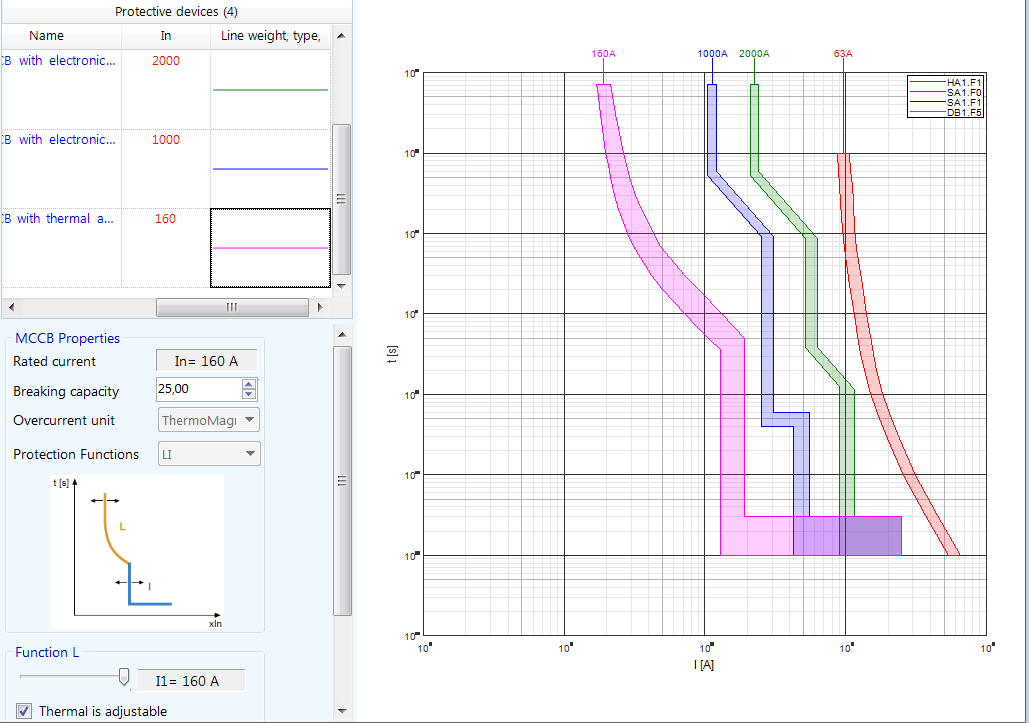
This service ensures that electrical faults are isolated to the smallest possible area.
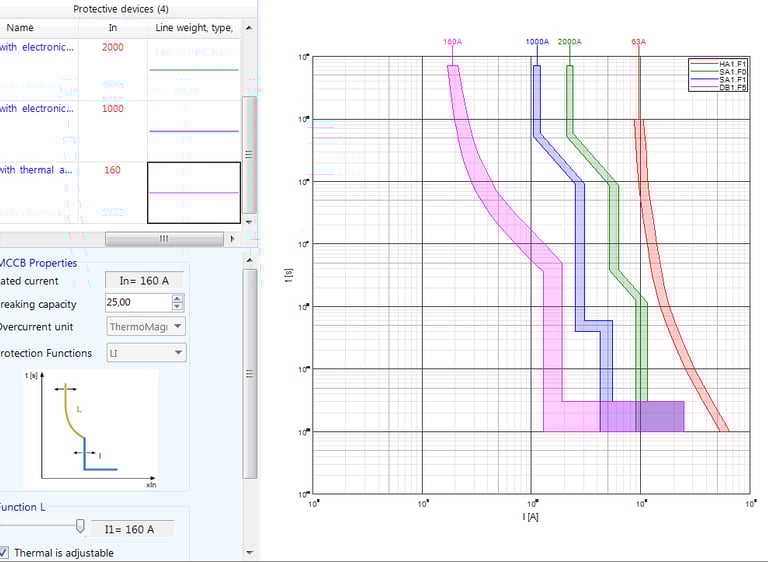
Selective Tripping: Engineers analyze Time-Current Characteristic (TCC) curves to ensure the breaker closest to a fault trips first.
Avoiding Unnecessary Blackouts: Without proper coordination, a small fault at a single machine could trip a main building breaker, causing a facility-wide blackout
Arc Flash Study
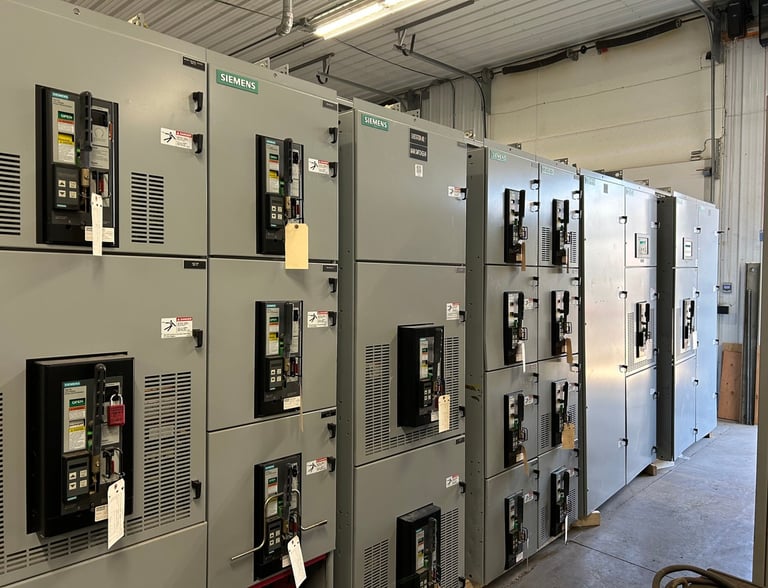
This is the "meat" of the study, calculating the actual heat energy (in calories per square centimeter) released during an arc flash.
Calculating the Incident Energy: Using formulas from IEEE 1584, Wyco engineers determine how much energy a worker would be exposed to at a specific working distance.
Boundary Definition: It establishes Flash Protection Boundaries, marking the distance at which an unprotected person could still receive second-degree burns.
On-Site Data Collection & Field Surveys
System Modeling & One-Line Diagrams
Arc Flash Labels & Equipment Labeling
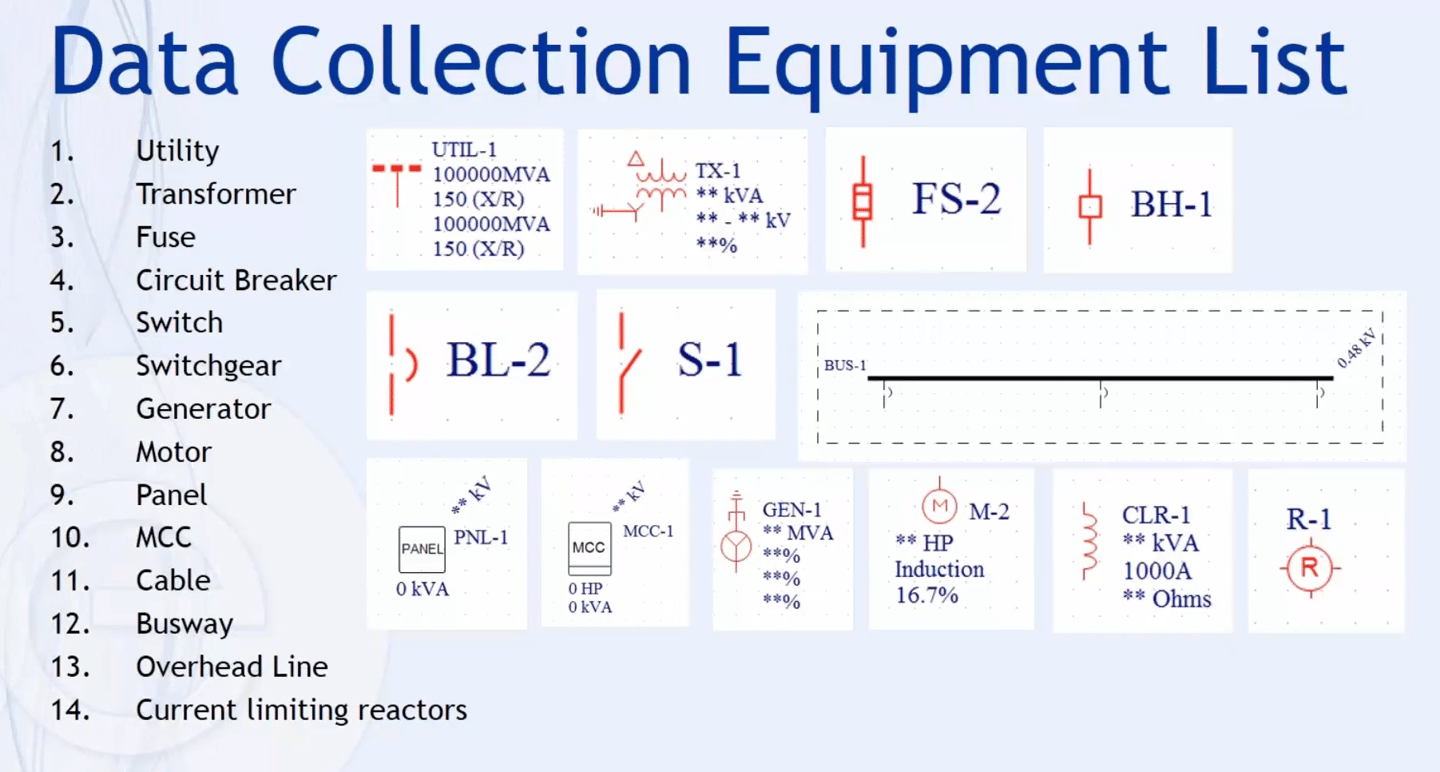
This foundational step involves a physical walkthrough of the facility to catalog all electrical components.
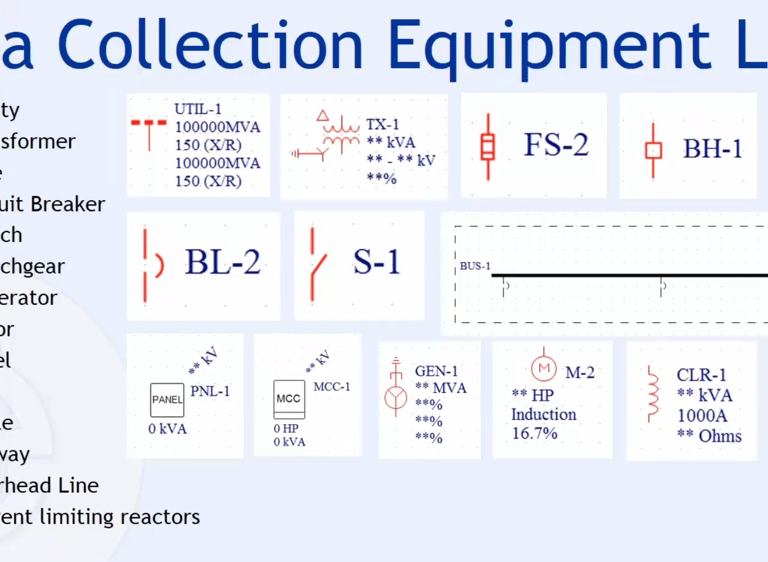
What is collected: Our Engineers record nameplate data from transformers (KVA, impedance), circuit breakers, fuses, and motor starters.
Physical verification: They measure the lengths and sizes of all electrical cables and conductors, as these physical properties directly affect how much energy a fault will release.
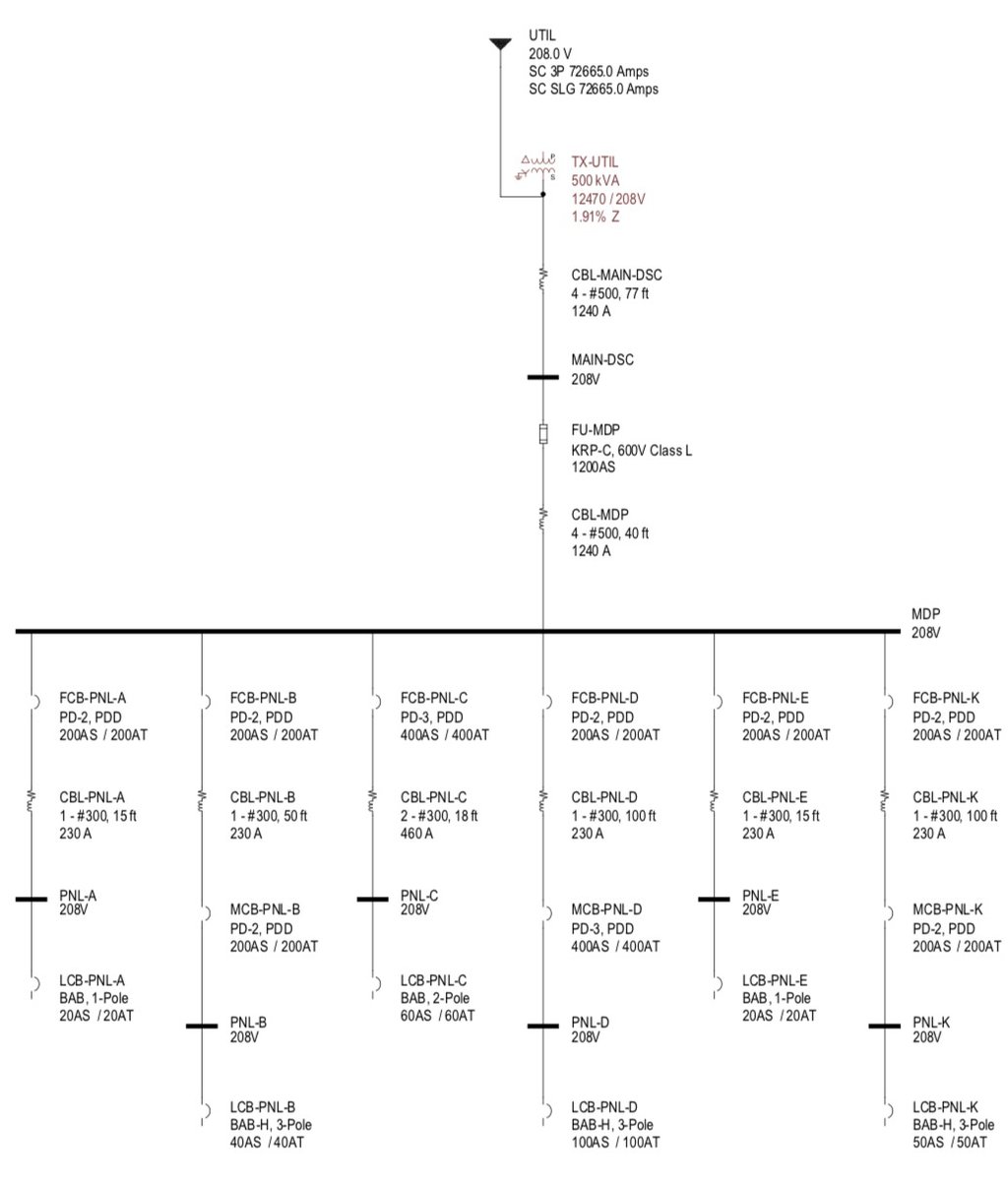
Using the collected field data, our engineers build a digital representation of your electrical system in specialized software like SKM PowerTools or EasyPower.
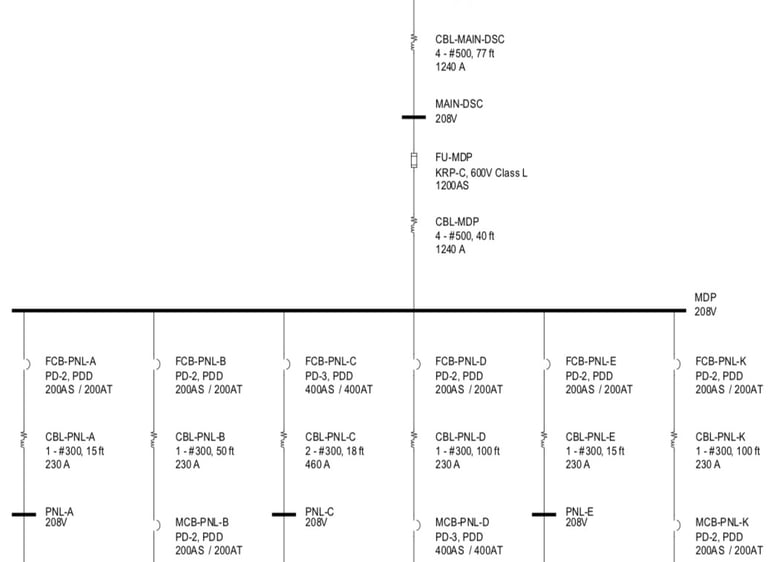
System overview: This produces a Single-Line Diagram (SLD), which is a simplified graphical map showing how power flows from the utility source and/or onsite generation down to various equipment.
Visualizing Hazards: The model allows engineers to simulate multiple scenarios to see how the system behaves during a disturbance.
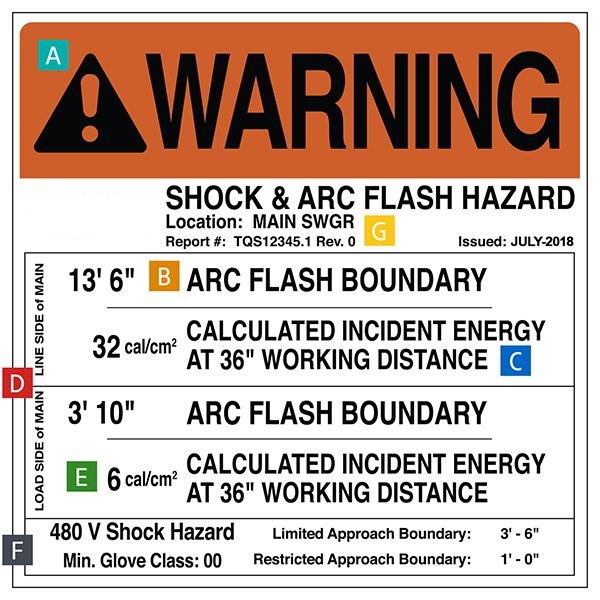
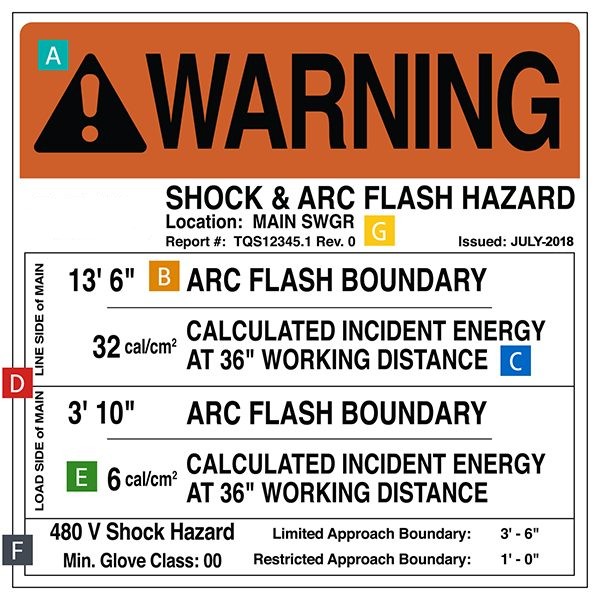
Once calculations are complete, we generate and install durable, adhesive warning labels on all electrical panels within the scope of work.
Critical Info: Labels typically display the nominal voltage, approach boundaries, incident energy level at a working distance, arc flash boundary, date completed and the required project number.
Compliance: OSHA requires these labels so that "qualified workers" know what hazards they face before opening energized equipment.
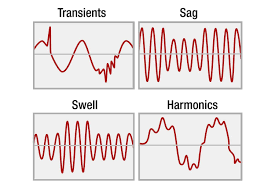
We offer harmonic analysis and power quality audits which are professional engineering services used to diagnose and resolve electrical power distortion that can damage equipment, increase energy costs, and cause unplanned downtime. These studies typically target "non-linear" loads—such as variable frequency drives (VFDs), LED lighting, and computers—which distort the standard electrical waveform.
Measuring and Analyzing Harmonics (Quantification): This involves using power quality analyzers to capture data and determine the Total Harmonic Distortion (THD) for both voltage and current, as well as individual harmonic components. This helps determine if the system complies with industry standards like IEEE 519.
Identifying Sources and Mitigation (Action): This involves diagnosing the root causes of the distortion, such as non-linear loads (e.g., variable frequency drives, computers, LED lighting), and recommending corrective actions like installing filters, upgrading equipment, or modifying the system to improve efficiency and reduce equipment failure.
Harmonic Analysis & Power Quality Surveys
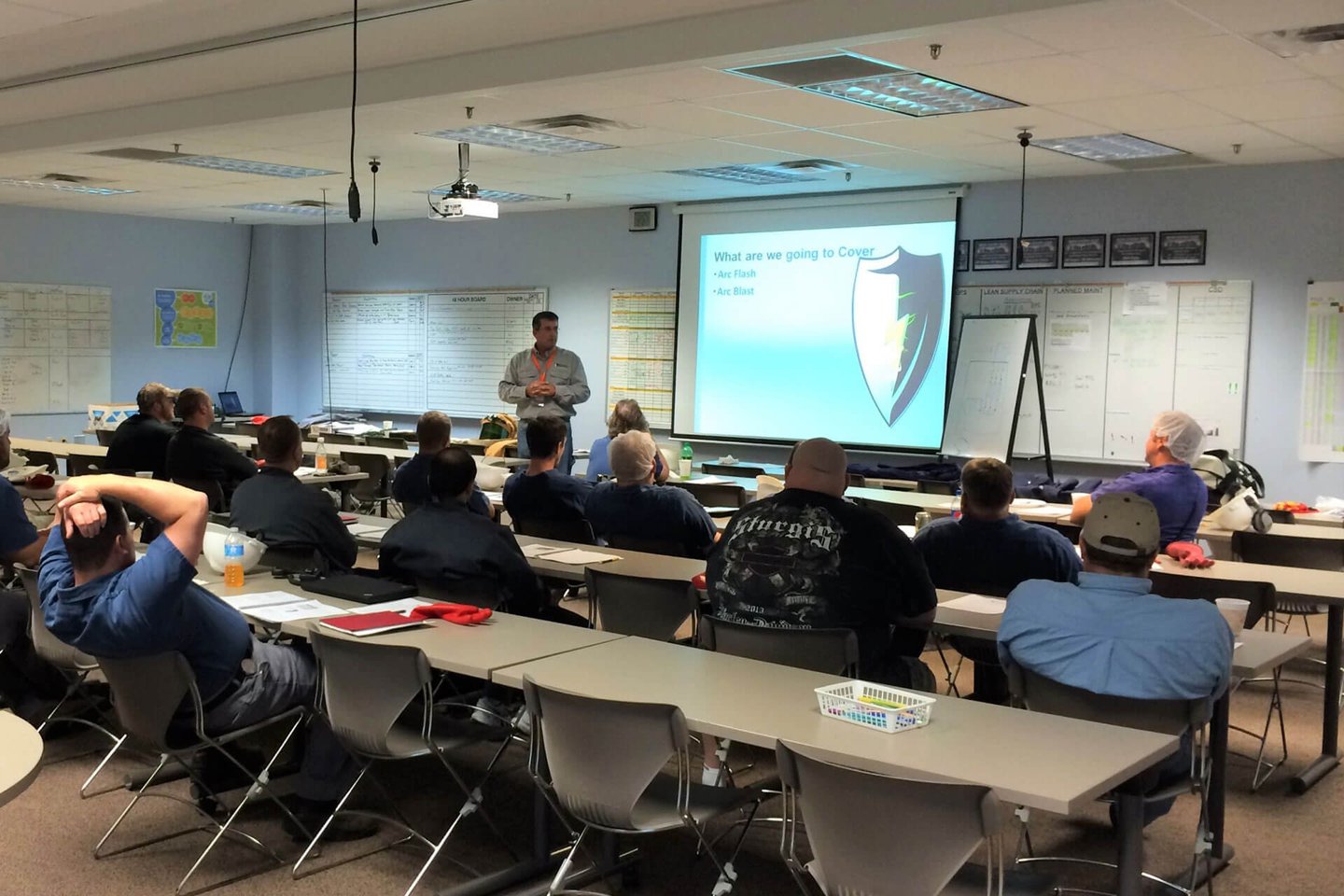
The final step is translating the technical data into actionable safety protocols for to the relevant staff within your company.
NFPA 70E Training: Our electrical safety experts are trained in providing safety training to teach employees how to read the new labels and follow safe work practices.
PPE Selection: Our experts help your facility identify the correct Arc-Rated (AR) clothing, face shields, and gloves based on the specific incident energy levels found in your study.